
Interim Prime Minister Ilie Bolojan Addresses Economic Challenges Amid European Commission’s Reduced Growth Forecast
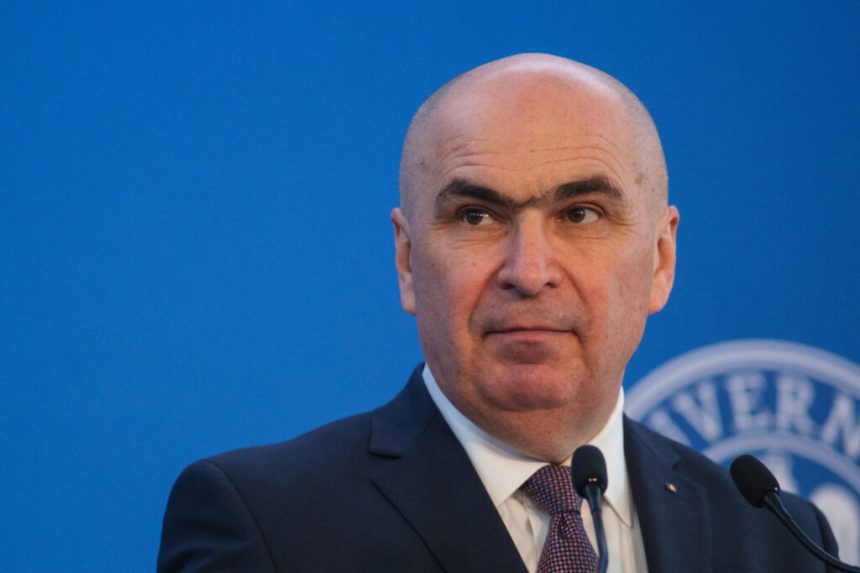
Interim Prime Minister Ilie Bolojan recently conducted a press conference in Focsani, shedding light on the repercussions following the European Commission’s downward revision of Romania’s economic growth forecast to a mere 0.1%. During the conference, he underscored the expected nature of this adjustment, attributing it to the ongoing conflict in Ukraine, surging fuel prices due to conflicts in the Middle East, and global trade tensions.
Bolojan emphasized the intricate ties between the European and Romanian economies, stating that the deceleration of the former would inevitably impact the latter. He highlighted the adverse effects of recent global events on economies worldwide, including Romania, leading to economic slowdown and inflationary pressures.
Reflecting on Romania’s economic trajectory, Bolojan acknowledged past budgetary policies that necessitate a reset of the national economy. He critiqued the history of operating with substantial deficits, resulting in suboptimal economic growth despite significant monetary injections into the market.
Moving forward, Bolojan outlined key priorities for future governments, emphasizing the significance of maintaining budgetary equilibrium, maximizing European fund absorption, and reducing energy costs to enhance the competitiveness of Romanian enterprises.
The European Commission’s latest projections foresee a meager 0.1% growth for Romania in 2026, citing challenges such as high inflation, escalating energy prices, and measures aimed at curbing the budget deficit. The Commission’s report indicates a decline in economic confidence, particularly in consumer sentiment, with adverse impacts on retail sales, industrial output, and domestic tourism.
Projections suggest a 7% inflation rate for 2026, with a subsequent decrease to 3.7% in 2027. Unemployment rates are expected to experience a moderate increase before receding in the following years. Concurrently, public debt is anticipated to rise steadily, posing additional challenges for Romania’s economic landscape.